

International Day Against Drug Abuse and Illicit Trafficking 2025
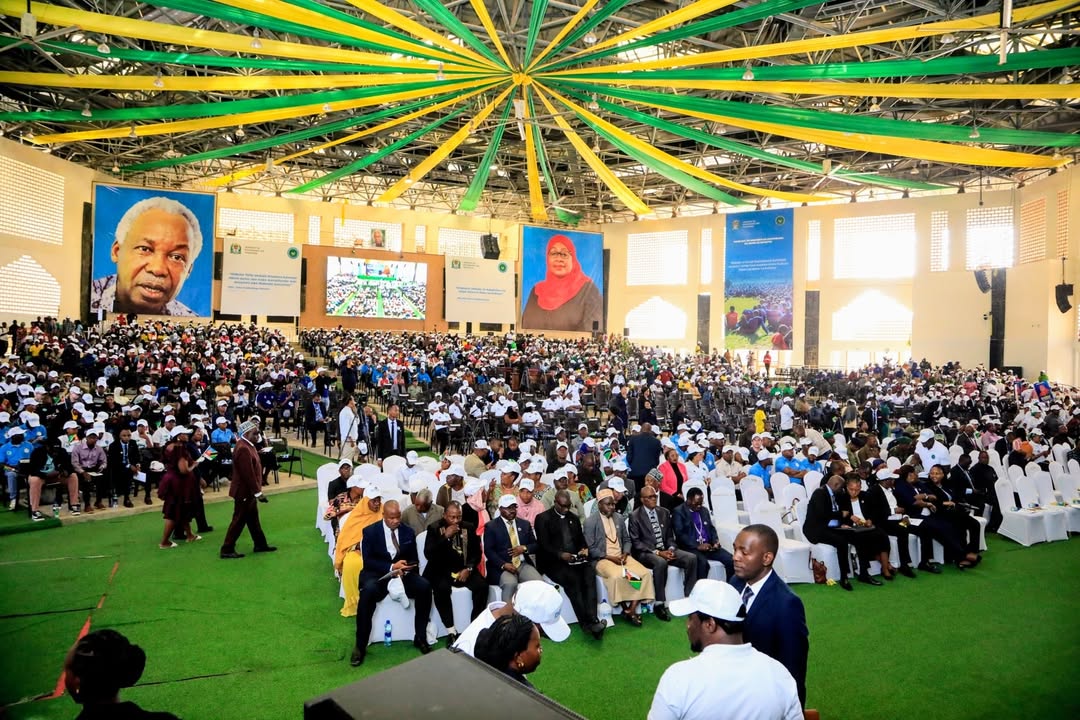
Every year on June 26, the world comes together to observe the International Day Against Drug Abuse and Illicit Trafficking, a global event initiated by the United Nations General Assembly in 1987 to raise awareness about the devastating impact of drug abuse and illicit trafficking on individuals, communities, and societies at large. This year, Tanzania’s national commemoration was held at the Jakaya Kikwete Convention Centre (JKCC) in Dodoma, hosted by the Drug Control and Combating Authority (DCEA). The event’s theme, “Wekeza kwenye kinga na tiba dhidi ya dawa za kulevya” (Invest in prevention and treatment of drug abuse), called for a united front in addressing the drug crisis through compassion, evidence-based solutions, and long-term investment in care.
The event was graced by the Prime Minister of the United Republic of Tanzania, Hon. Kassim Majaliwa, who served as the Guest of Honour. He toured various exhibition booths of key stakeholders working to fight drug abuse and support recovery, including rehabilitation centres, youth organizations, community initiatives, and NGOs. In his keynote address, Hon. Majaliwa reiterated the government’s ongoing efforts to curb the spread of drug abuse, especially among young people, while promoting accessible, community-based treatment and recovery services.
Speaking on behalf of the DCEA, Commissioner General Aretas Lyimo emphasized the importance of strategic investment in both prevention and treatment. He presented key statistics, strategies, and challenges, calling on all Tanzanians government, civil society, communities, and individuals, to join forces in addressing the drug crisis with compassion, science, and accountability.
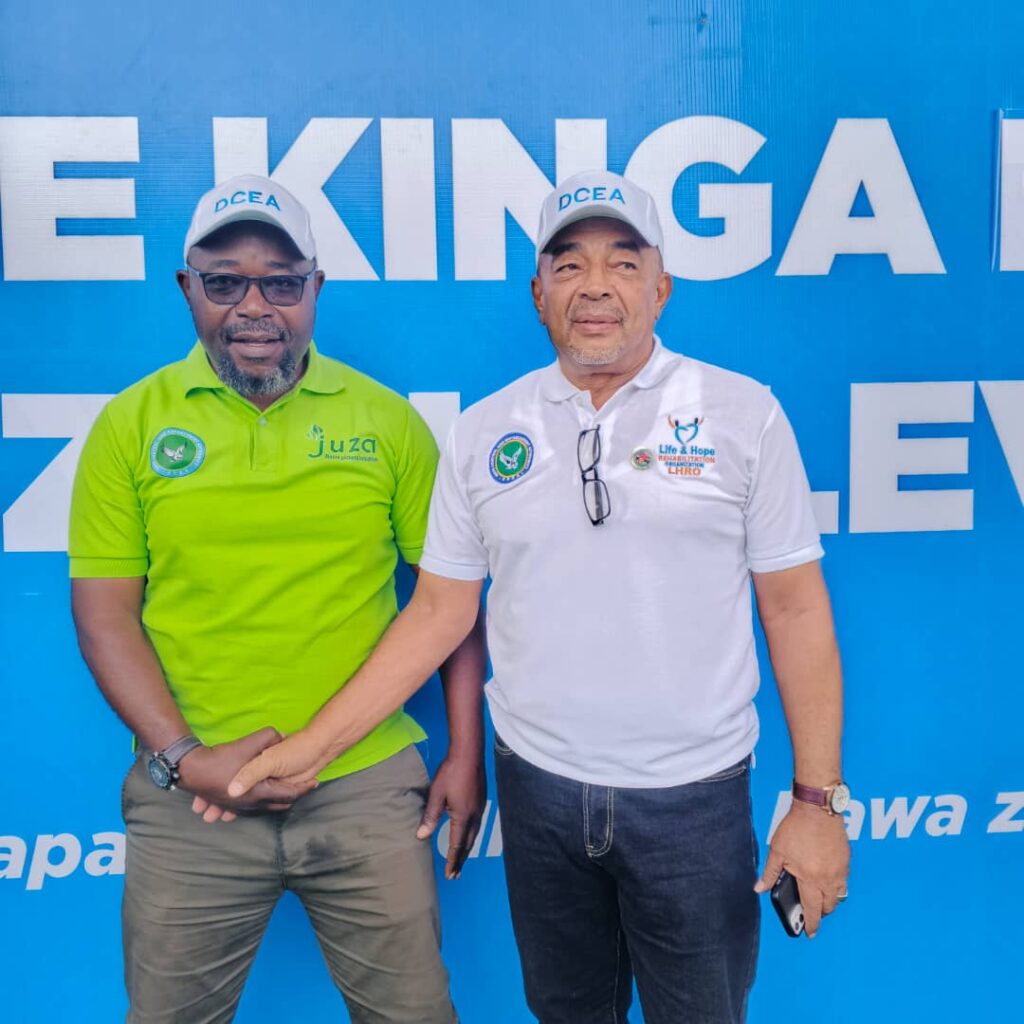
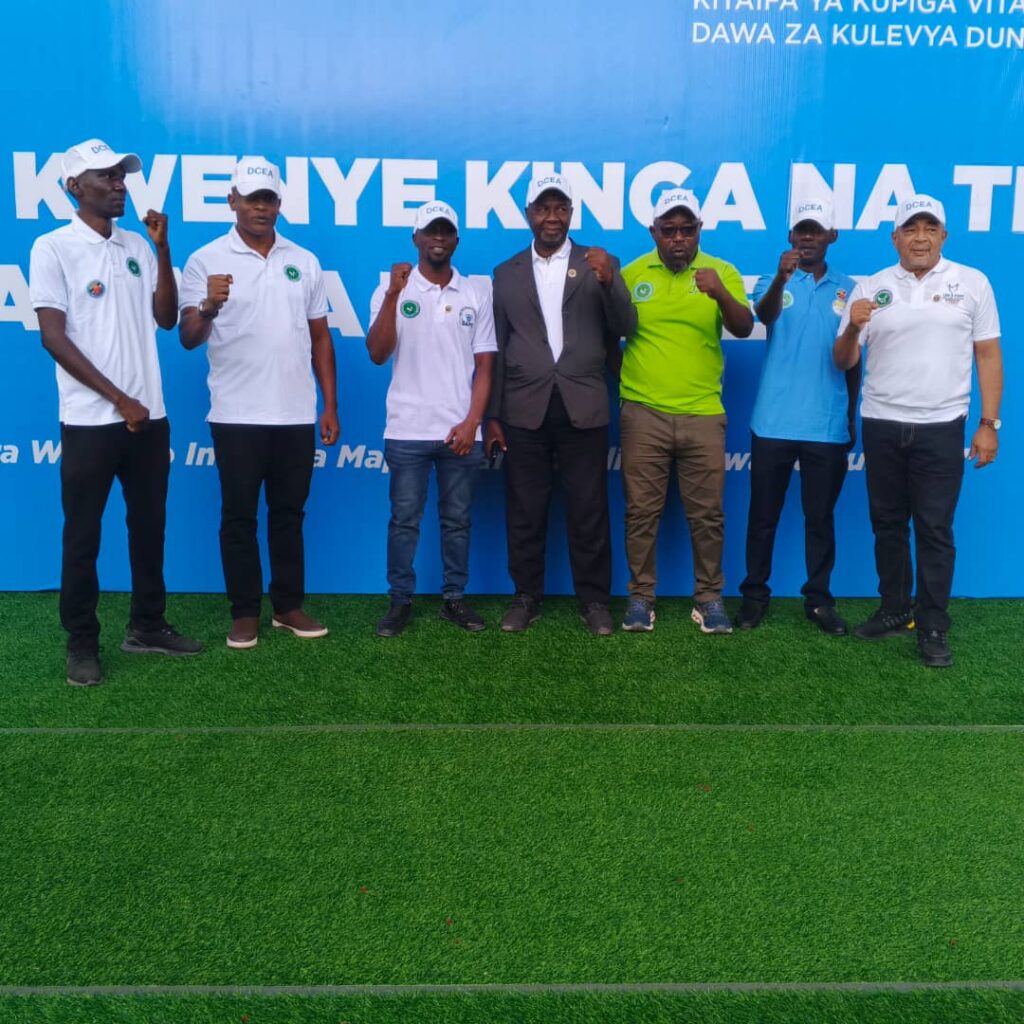
As Juza Waste Pickers Initiative, we were proud to take part in this critical event. Our team set up an interactive exhibition booth showcasing our unique model of rehabilitation, empowerment, and reintegration for waste pickers who are recovering from substance use. We shared stories of transformation from the streets to safe, empowered livelihoods. Many waste pickers struggle in silence with addiction, often neglected and stigmatized. Through community-based outreach, referral to treatment, and occupational therapy. We help these individuals reclaim their dignity and rejoin society as contributors to environmental health and the circular economy.
We recognize that drug addiction is both a public health issue and a social justice issue especially among marginalized communities like waste pickers. Many waste pickers, particularly youth and former street children, face harsh living conditions that often lead to substance dependence as a coping mechanism. Our approach is community-centered and recovery-focused.
Among the most powerful moments of the day was the participation of renowned artist Rashidi Abdallah, a Hip Hop Artist and Songwriter who delivered a heartfelt testimony of his own battle with drug dependency and the journey of healing. His presence sent a strong message: recovery is real, possible, and worth fighting for. Chid Benz’s story encouraged hundreds of youth in attendance and proved that with the right support, anyone can rise from addiction to purpose.
We will continue to advocate for a Tanzania where every individual, regardless of background, has the opportunity to access treatment, recover fully, and live a life of purpose. The 2025 commemoration has left us with a renewed sense of purpose. As a country, and as part of the global community, we must continue to invest in prevention, expand access to treatment, and support rehabilitation and reintegration, especially for marginalized groups like waste pickers.
The International Day Against Drug Abuse and Illicit Trafficking 2025 served as a powerful reminder that the battle against drugs is not just about enforcement, it is about healing, inclusion, and opportunity. The event in Dodoma, led by national leaders and supported by community organizations, highlighted the urgent need to invest in prevention, treatment, and long-term support systems for people affected by addiction.