


International Waste Pickers Day 2025
Juma pulls his cart through a pile of discarded plastics, broken glass, and food scraps. He’s been doing this for years, gathering waste from the streets, and searching for recyclables that could provide him with a modest income to support his family. Juma is one of many waste pickers in Tanzania—unseen, undervalued, yet indispensable to the functioning of the city’s waste management system. Like many others, he begins his day long before most people even stir and ends it in the same relentless pursuit of waste to recycle.
To the casual observer, Juma’s work might appear unimportant, even unpleasant. In Tanzania, the general perception of a waste picker is one of neglect—a person relegated to the fringes of society, often associated with poverty and low social status. Waste pickers are often seen as invisible workers, toiling away in the shadows of the urban landscape, their contributions unrecognized and uncelebrated.
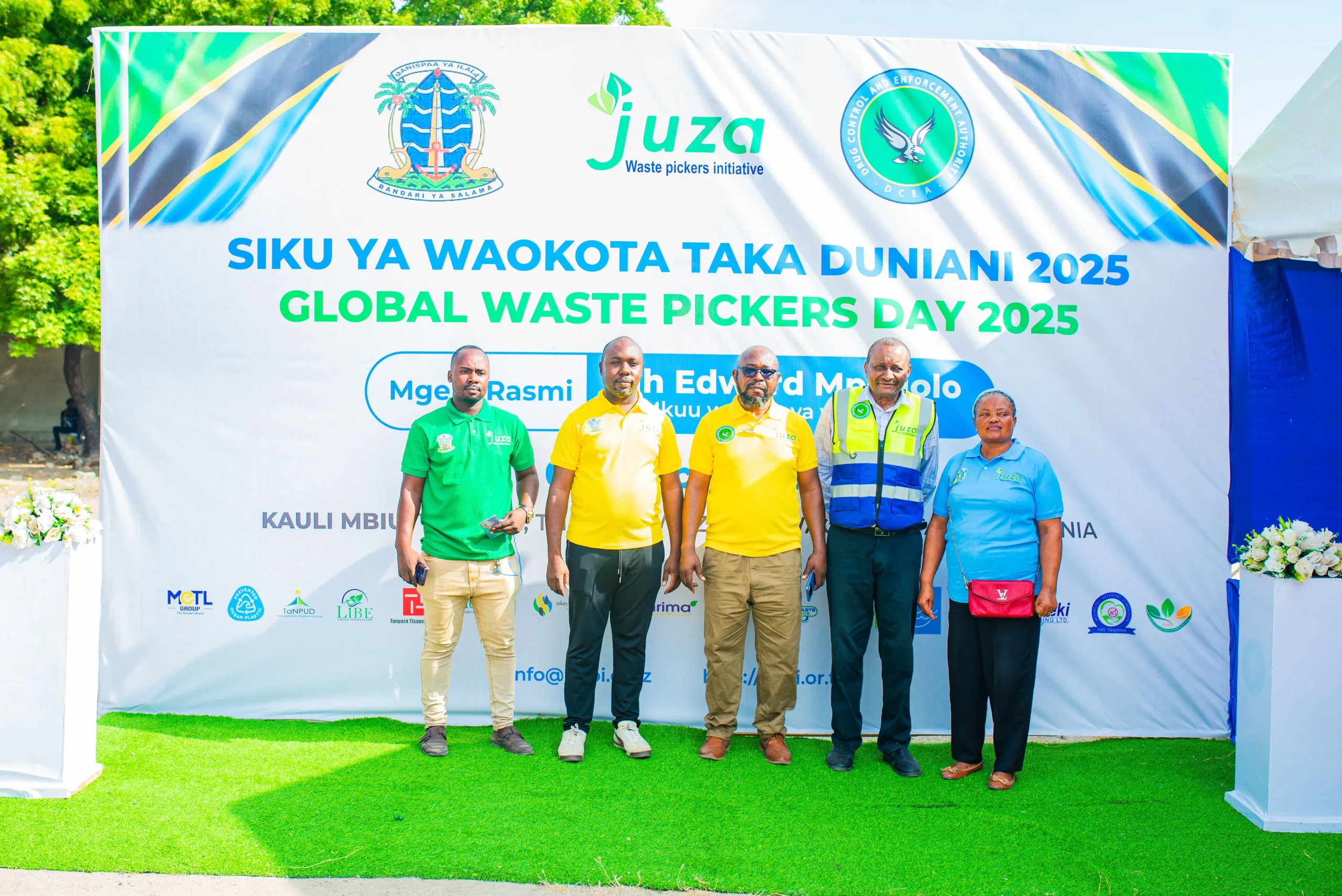
Yet, on this particular day, Juma’s work, and the work of thousands of others like him, takes centre stage. International Waste Pickers Day 2025, hosted jointly with the Ilala City Council, marked a transformative moment in recognizing and empowering the vital role of waste pickers in Tanzania. The event, themed “Recognize, Appreciate, Empower Waste Pickers in Tanzania,” celebrated the invaluable contributions of these hardworking individuals and spotlighted the crucial role they play in ensuring cleaner cities, promoting recycling, and reducing waste.
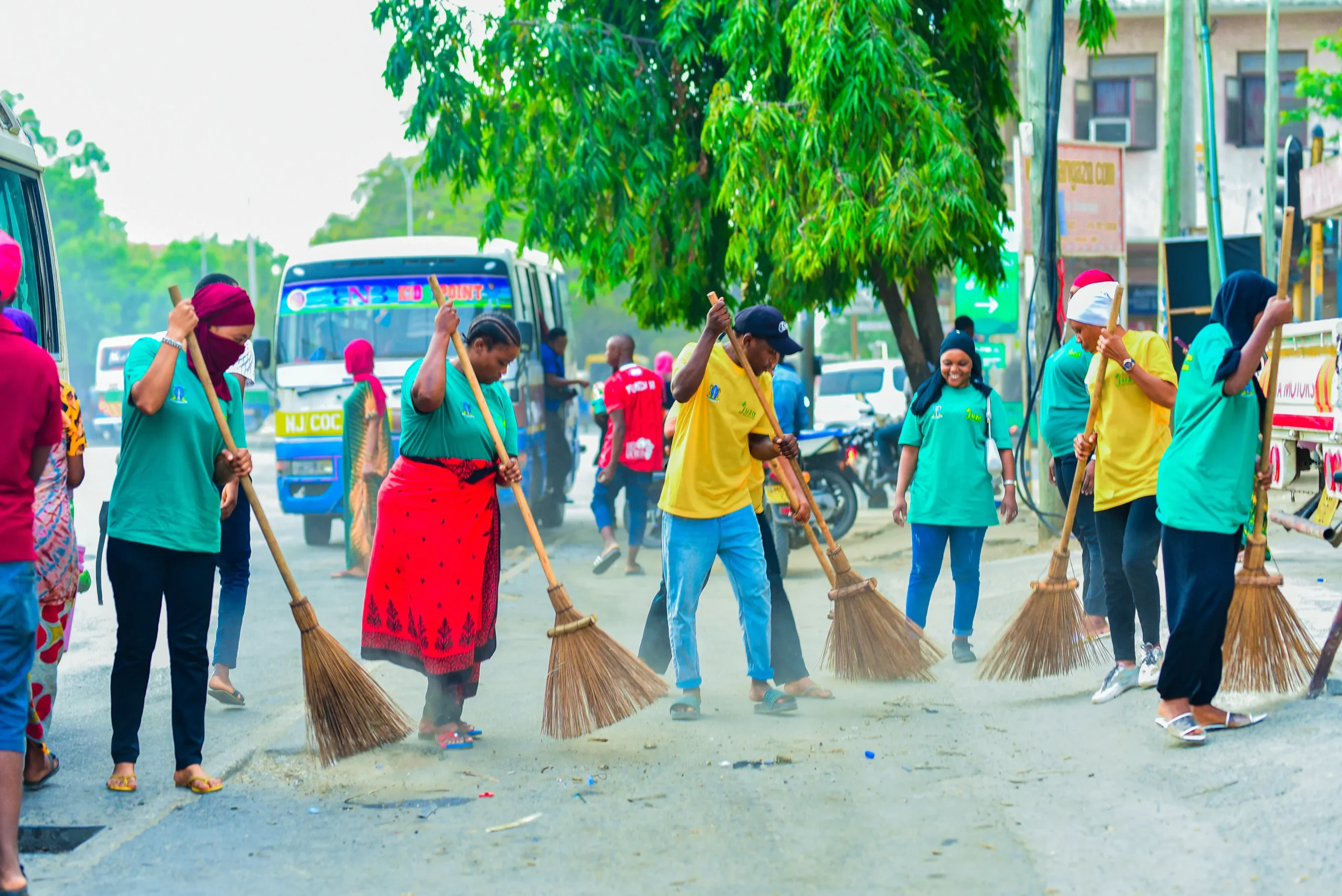
The day began with a community cleanup in Ilala District, where waste pickers like Juma, alongside residents, worked together to collect litter, making their streets cleaner and safer. This public demonstration highlighted the importance of waste pickers and was a powerful reminder of the environmental and social impact they have in shaping the city’s cleanliness. But this day wasn’t just about cleaning—it was about recognizing the dignity and importance of the people who make that cleanup possible.
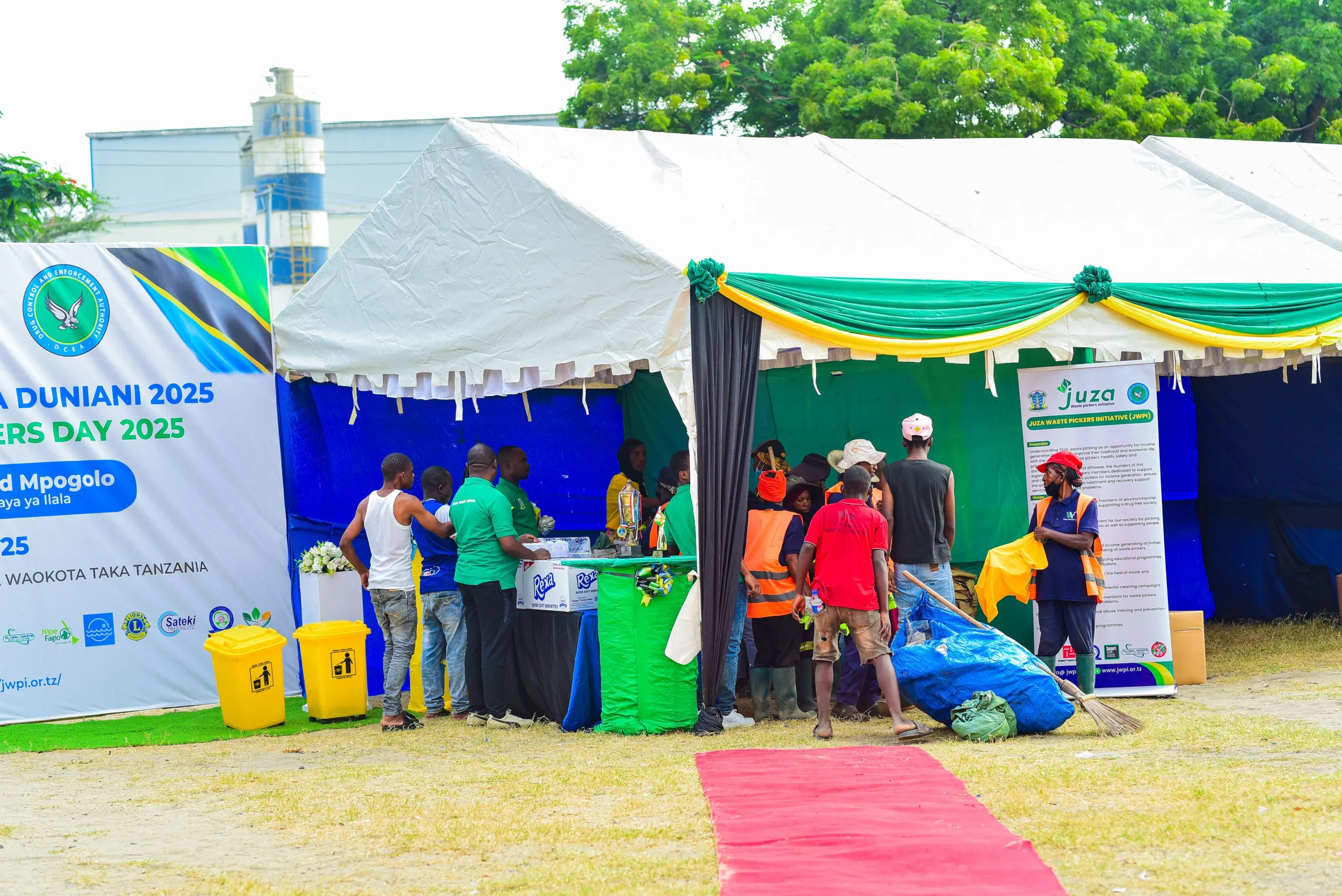
Following the cleanup, the event continued with an exhibition, community awareness campaigns, entertainment, and the official launch of a waste sorting program under the auspices of Juza WPI (JWPI), a local organization dedicated to improving the livelihoods of waste pickers. This new program, which categorizes waste into five distinct groups—plastics, food waste, paper, aluminium, and glass—aims to streamline recycling and foster a circular economy.
The guest of honour, Adrian Kishe, representing Ilala District Commissioner Edward Mpogolo, delivered a powerful speech that underscored the significance of the event. In his address, Kishe stated:
“Waste pickers are not just essential to our environment; they are champions in our fight against pollution. It’s time we formally recognize their contributions and ensure that they receive the respect, support, and formal recognition they deserve. By launching this sorting program, we are not only organizing our waste more effectively, but we are empowering our waste pickers.”
The waste sorting program launched during the event is a key component of the city’s plan to improve waste management practices and provide more sustainable and efficient recycling methods. It also serves to further integrate waste pickers into formal waste management systems, where they can receive training, better working conditions, and fairer compensation.
International Waste Pickers Day has been a pivotal event in transforming the lives of waste pickers in Tanzania. This year marked the second consecutive event, with over 450 attendees, including government officials, waste pickers, residents, and partners. The event also highlighted the growing support from more than 23 partners, which has helped reach over 300 waste pickers in Dar es Salaam. These partnerships have played a key role in improving the lives of waste pickers, offering them new opportunities for empowerment, support, and recognition.
The day’s activities and our continued efforts to bridge the gap between the informal sector and formal waste management systems helped to improve not only the working conditions of waste pickers but also the overall effectiveness of waste management in Tanzania.
But the work is far from over. The formalization of waste pickers is not just a local issue—it’s a global call. According to the International Labour Organization (ILO), there are approximately 15 million waste pickers around the world. Yet, most of them work in informal settings, with little to no legal recognition or protection. Formalizing their role in waste management systems can lead to improved job security, better health conditions, and more efficient waste management practices.
International Waste Pickers Day 2025 was not just an event, but a crucial step toward a sustainable future—one where waste pickers like Juma are no longer overlooked, but are recognized as essential contributors to our cities, our environment, and our economy. It’s a reminder that empowering waste pickers is not just about acknowledging their labour, but about ensuring that their rights, safety, and dignity are upheld in the global fight for climate action.