

Waste Management in Dodoma: A Sustainable Path for Tanzania's Capital
Dodoma, as the administrative capital of Tanzania, holds a strategic place in the country’s development agenda. With rapid urban growth, expanding infrastructure, and increasing population, the city is experiencing a corresponding rise in the generation of waste. Proper waste management is not just a municipal necessity but a foundation for sustainable urban living. It is in this context that, under the leadership of our Executive Director Nassib Kitabu, in collaboration with Global Waste Solutions, has introduced a groundbreaking project aimed at recycling and processing waste materials to address environmental and public health challenges in Dodoma.
The importance of managing waste efficiently in Dodoma cannot be overstated. As the seat of government and symbol of national identity, the cleanliness and environmental health of the city reflect directly on the image of Tanzania. In recent years, Dodoma has seen significant development, including government relocations, new housing projects, and the growth of small and large businesses. This growth has led to the accumulation of vast amounts of waste, much of which ends up in landfills such as the Chidaya dumpsite. Without proper intervention, this threatens to compromise not only public health but also the aesthetics and sustainability of the city.
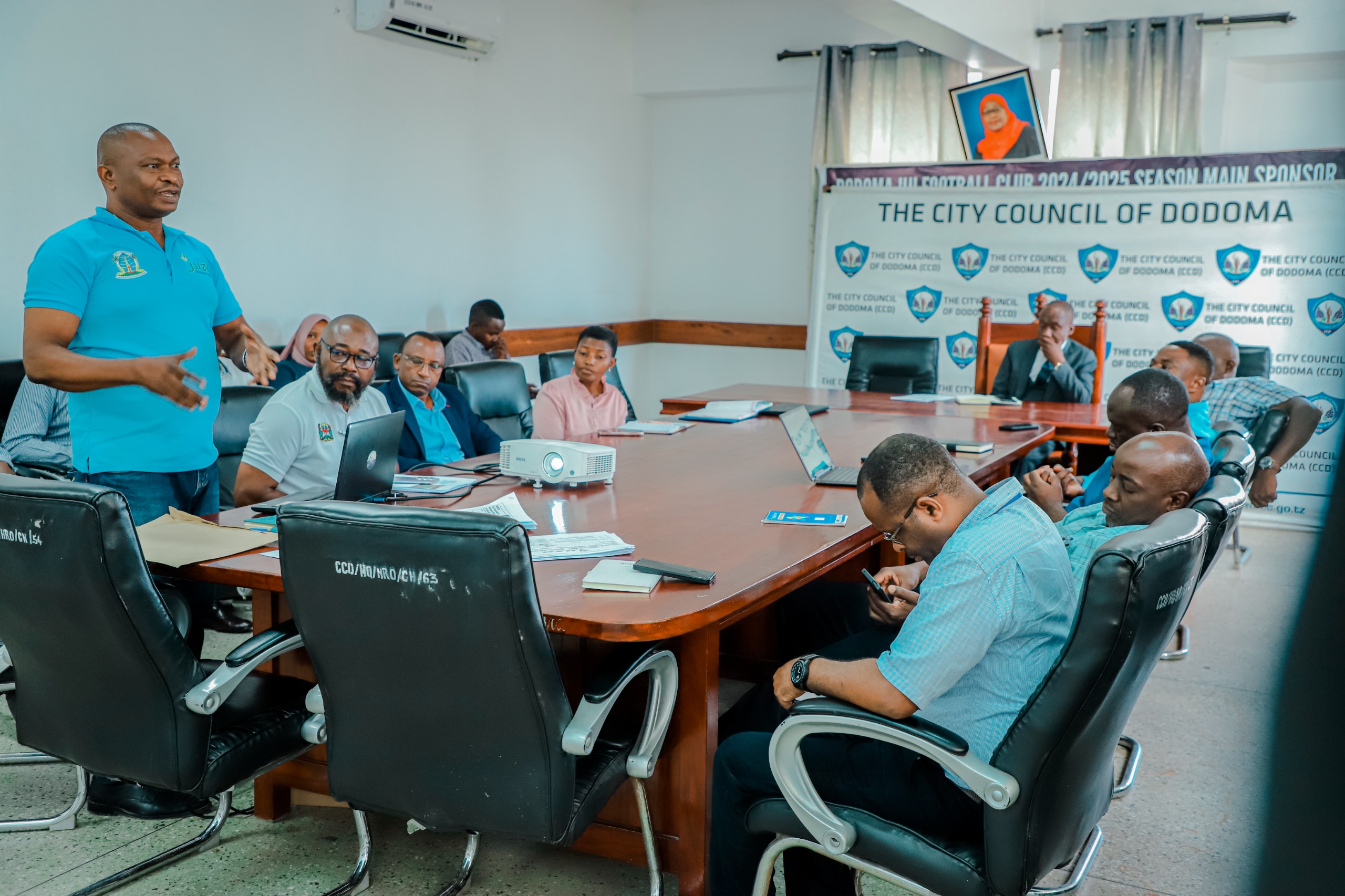
Recognizing this urgent need, Juza Waste Pickers Initiative and Global Waste Solutions have partnered to implement a two-year project with the aim of reducing the volume of waste directed to Chidaya by up to 80% by 2027. Through community education and household-level waste separation, the project seeks to transform waste from a burden into a resource. “We are in Dodoma now because it is the face of the country,” said Kitabu during a presentation to the Dodoma City Council. “Starting here will ensure the city remains clean and the environment remains safe for its residents.”
One of the key components of the project is the recycling of plastics and paper waste. Plastics, which constitute a large portion of urban waste, pose significant environmental threats due to their non-biodegradable nature. Recycling them reduces pollution, saves energy, and conserves natural resources. According to a report by the World Bank (2022), urban areas in Africa are expected to generate over 244 million tons of waste annually by 2025, with plastic waste making up a significant share. Recycling plastics in Dodoma will help reduce environmental degradation, create jobs, and contribute to the circular economy.
Paper recycling also brings numerous benefits. It reduces the need for raw materials, such as trees, and cuts down on energy and water usage in paper production. This not only preserves biodiversity but also decreases greenhouse gas emissions associated with paper manufacturing. With proper systems in place, the paper waste generated in Dodoma’s schools, offices, and markets can be transformed into new products, supporting local industries and reducing landfill pressure.
Another important aspect of the initiative is composting, which targets organic waste—one of the largest waste streams in Dodoma. Organic waste, if not managed properly, decomposes in landfills and emits methane, a potent greenhouse gas. By turning this waste into compost, the project not only diverts significant volumes from Chidaya but also produces valuable soil enhancers for agriculture. Composting improves soil fertility, reduces the need for chemical fertilizers, and helps farmers maintain productivity in a climate-affected environment. The project will also explore the use of organic waste to feed insects like black soldier flies, which can be processed into alternative protein for livestock feed, an innovative solution to food sustainability.
The initiative doesn’t stop at technical solutions; it also focuses on social inclusion. Waste pickers in Dodoma, who have long labored in poor conditions and with little recognition, are central to this project. Through structured training on occupational safety, provision of protective gear, and formal recognition, Juza Waste Pickers Initiative and Global Waste Solutions aim to empower this marginalized group. “This is a step forward in ensuring that no one is left behind in our environmental conservation efforts,” Kitabu emphasized. During their site visit to Chidaya, project leaders witnessed the hard work of waste pickers and reaffirmed their commitment to transforming their working conditions.
Dickson Kimaro, Head of Sanitation and Solid Waste Control at the Dodoma City Council, expressed strong support for the project. “This is a strategic area of focus for us,” he said. “We are committed to working closely with JUZA and Global Waste Solutions to ensure the project benefits the residents of Dodoma both environmentally and economically.”
He concluded by pledging to work closely with these stakeholders to ensure the people of Dodoma benefit from the project and that the city remains clean and safe. “On behalf of the Director of the City of Dodoma, I would like to warmly welcome you, our partners. We promise to offer full cooperation to ensure this project is implemented effectively over the two-year period and delivers economic benefits to the residents of Dodoma and the City Council,” Kimaro concluded.
In conclusion, waste management in Dodoma is not only about keeping the city clean but also about safeguarding health, empowering communities, and building a circular economy. With coordinated efforts, especially through public-private partnerships and community involvement, Dodoma can become a model of sustainable urban development in Tanzania. The Juza Waste Pickers Initiative-led recycling and composting project marks a significant step in that direction, turning waste into wealth and ensuring a greener future for generations to come.


