

Tanzania’s airports are the gateways to our nation, places that connect us to the rest of the world, and the first impression many visitors receive upon arrival. These spaces are more than transit hubs; they are reflections of our country’s values, our priorities, and our commitment to sustainability. Yet, like many public facilities, airports generate significant amounts of waste on a daily basis. With thousands of travelers passing through, from boarding gates to food courts, the challenge of managing waste efficiently and sustainably becomes increasingly urgent.
As passenger traffic grows and cargo volumes increase, so too does the amount of waste generated, ranging from food packaging and plastics to paper, textiles, and electronic materials. Until recently, waste management in such public spaces has largely relied on general waste collection, with limited segregation or resource recovery systems in place. This often leads to recyclable materials ending up in landfills or incinerators, contributing to environmental degradation and loss of valuable resources.
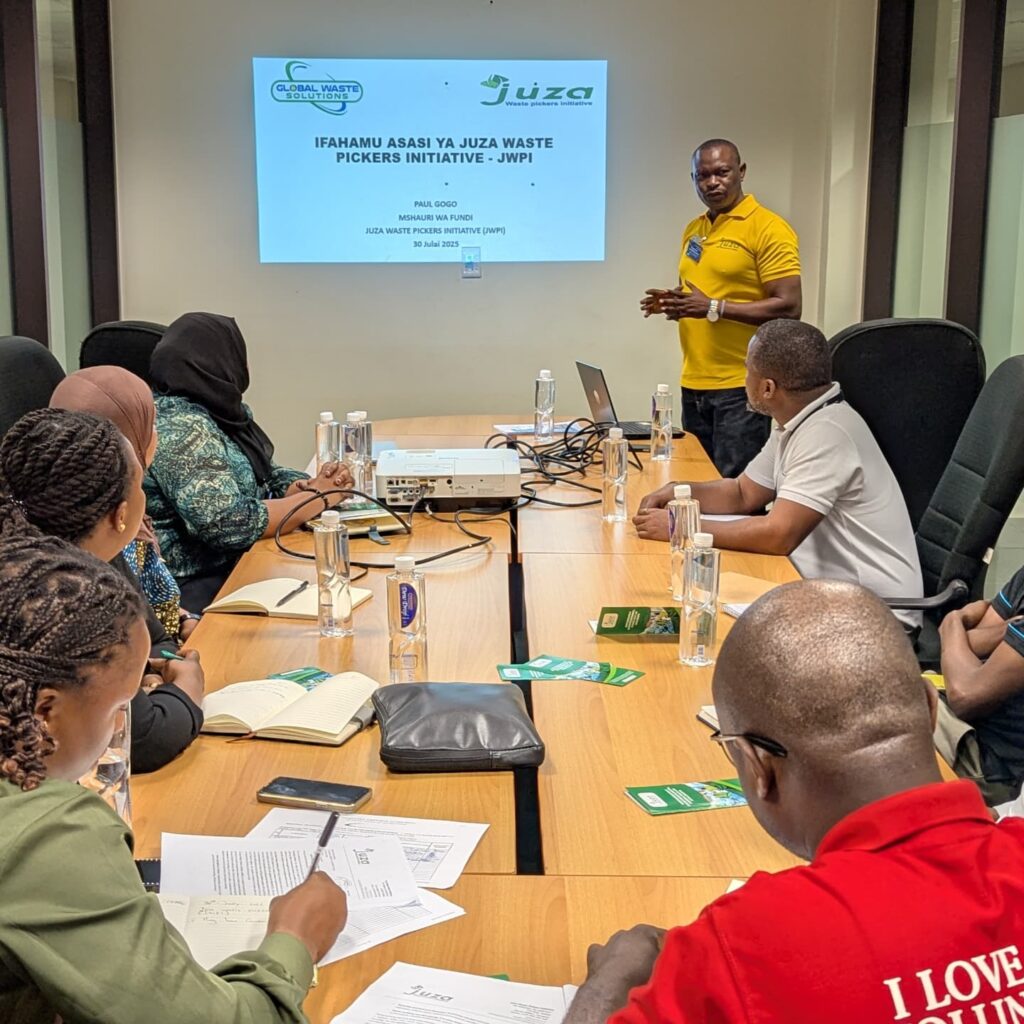
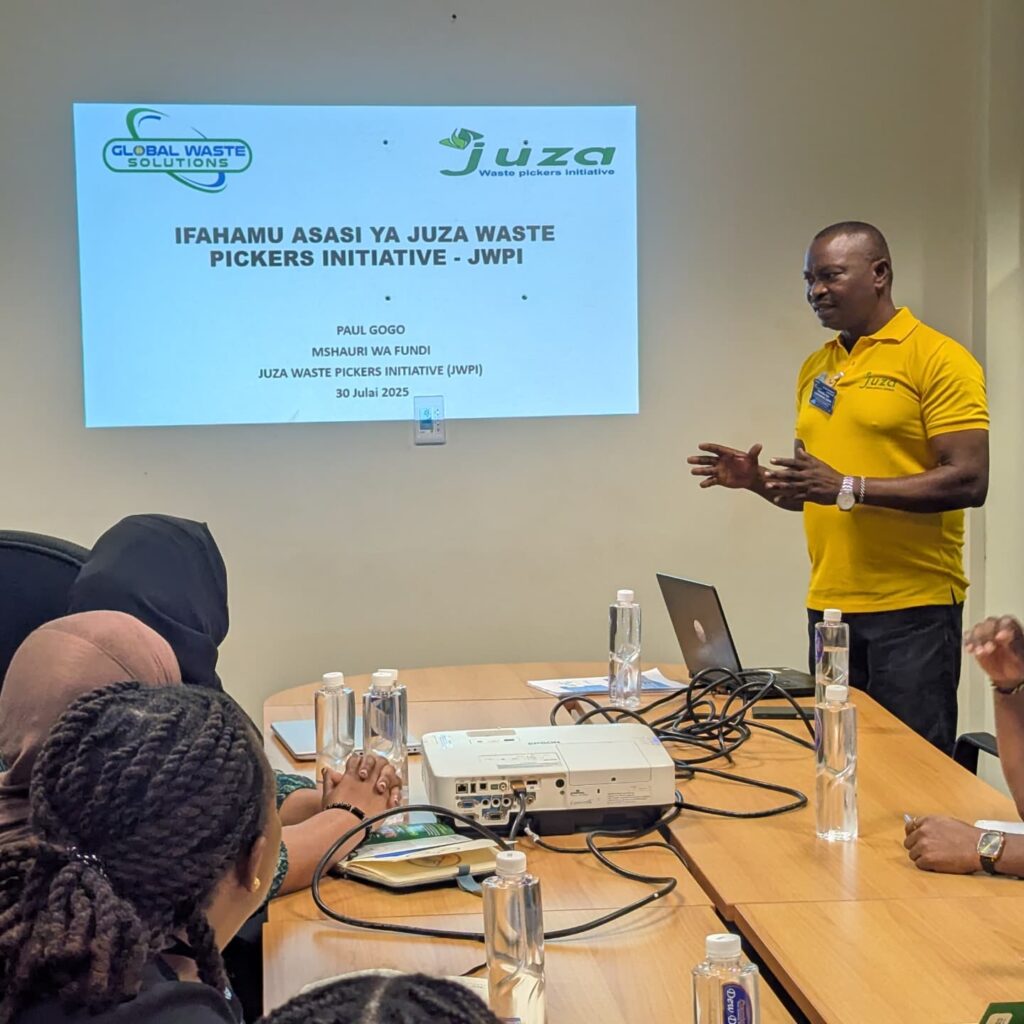
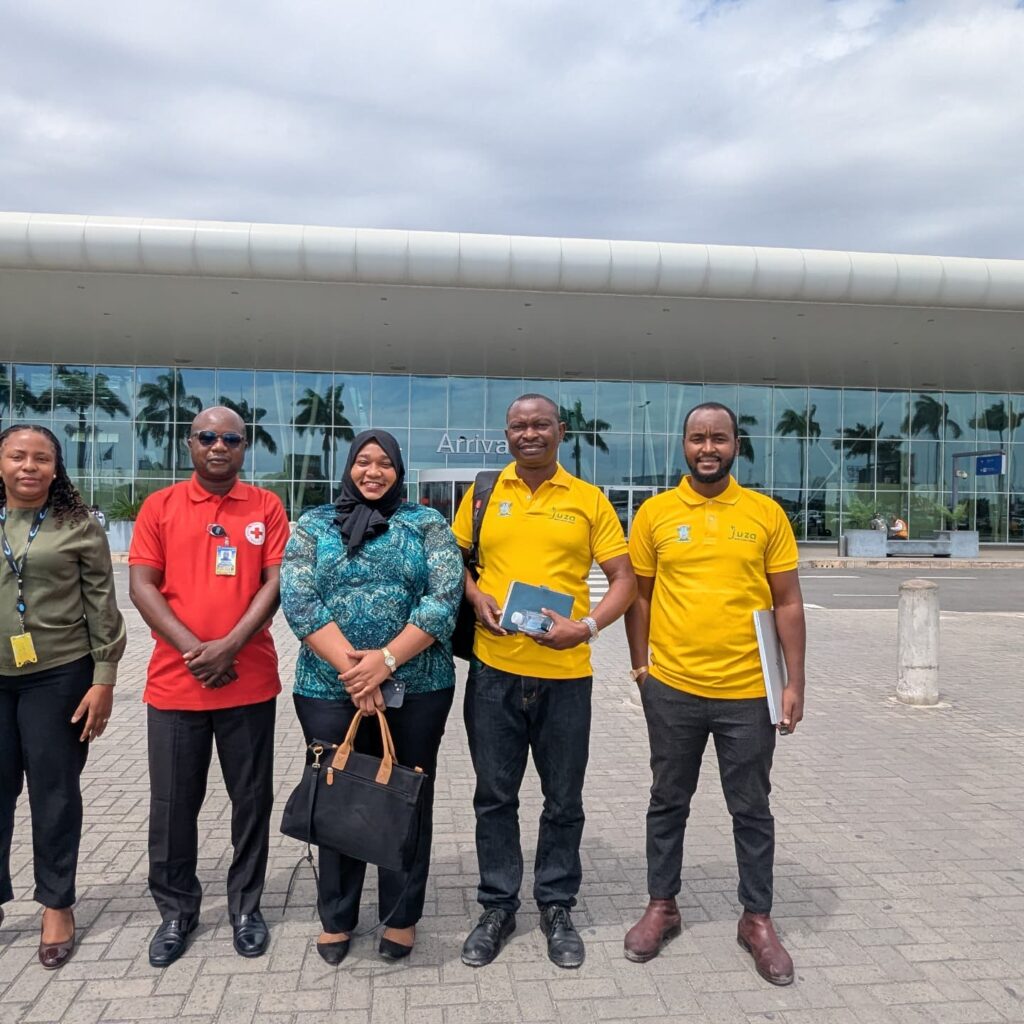
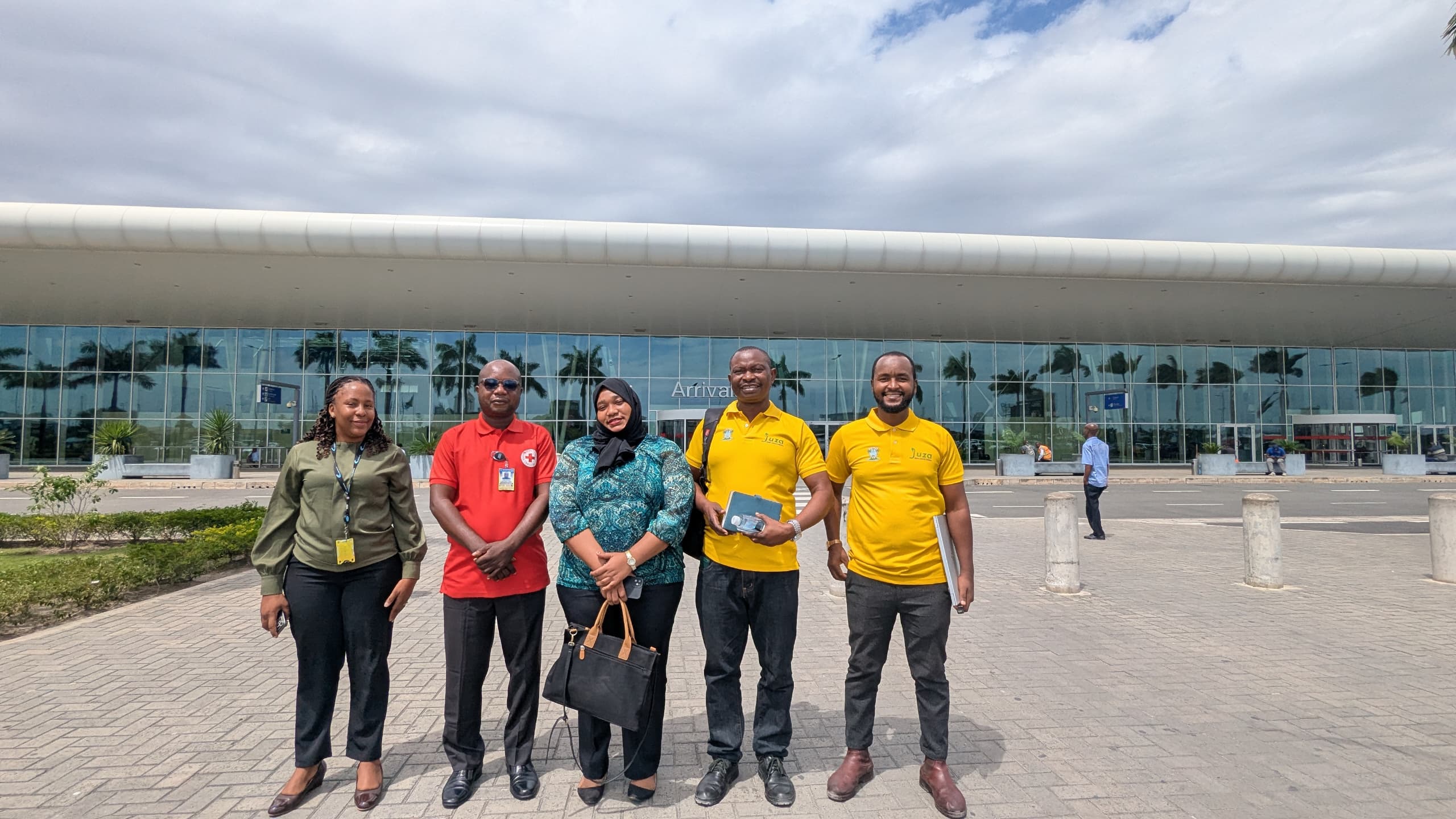
Against this backdrop, had the great honor of engaging with the Tanzania Airports Authority (TAA) at Julius Nyerere International Airport (JNIA) to deliver a presentation on sustainable waste management practices. We had a wrap-up presentation on best practices for implementing segregation at source and improving material recovery. This opportunity marks a pivotal step in pushing forward sustainable waste management within one of the country’s most vital institutions. Airports are high-visibility spaces. Thousands of travelers, employees, and service providers interact with airport facilities daily, making them ideal places to model environmental responsibility.
Currently, waste management across many of Tanzania’s public infrastructures remains a growing challenge, with most waste streams still being disposed of in mixed form. This makes recycling and composting nearly impossible, resulting in overburdened dumpsites and lost economic value from recoverable materials. Airports, with their daily flow of passengers, staff, cargo handlers, and vendors, generate a unique mix of organic waste, plastics, packaging materials, paper, and more. Without a clear waste segregation system, not only is environmental harm intensified, but we also miss out on opportunities for resource recovery and job creation through recycling chains.
Our presentation focused on two key elements: segregation at source and waste sorting for recovery. Segregation at source means separating waste right where it is generated, whether it’s at airport restaurants, waiting lounges, boarding gates, or offices. Instead of mixing everything in one bin, we encouraged using color-coded containers for organics, recyclables, and general waste. This step alone increases recovery efficiency by over 60%. When waste is separated into categories such as plastics, organics, paper, and general waste, it becomes far easier to sort, recover, and recycle. This approach not only reduces the volume of waste going to landfills but also enhances the cleanliness and efficiency of airport operations. More importantly, it fosters a culture of environmental responsibility among staff, vendors, and travelers.
Material recovery follows segregation. Once waste is separated, recyclables can be easily collected, processed, and reintegrated into the supply chain. This reduces demand for virgin materials, cuts emissions, and provides income for waste workers and recovery enterprises.
We discussed practical strategies for implementation, including the placement of color-coded bins, education and signage for airport users, and the training of janitorial teams and vendors. Furthermore, we emphasized the value of working with local waste pickers and recyclers to build a circular economy model, where waste becomes a resource and communities benefit directly from environmental solutions.
Efficient and visible waste management systems, especially those promoting segregation at source and material recovery can significantly reduce the amount of waste going to landfills, and recover valuable materials like plastics, aluminum, and paper. Potentially, it can create green jobs and engage informal waste workers in formal systems thus improving hygiene, reducing health risks, and enhancing the airport environment. Ultimately sending a strong message to both local and international visitors about Tanzania’s environmental values
The response from TAA and the team at JNIA was incredibly encouraging. Their openness to learning, collaboration, and environmental improvement signals a growing recognition that sustainability must be woven into the very fabric of our public institutions. We were warmly received, and the productive dialogue during our session reaffirmed our belief that impactful change is possible when stakeholders come together with shared vision and purpose.
As we wrap up this important engagement, we want to extend our deepest gratitude to the Tanzania Airports Authority (TAA) and the entire leadership and team at Julius Nyerere International Airport for their hospitality, commitment, and forward-thinking approach. We also thank every individual and stakeholder who contributed to making this collaboration a success.
Let this not be the end, but the beginning of an ongoing journey. The transformation of our airports into cleaner, and more sustainable spaces depends on continuous action, monitoring, and improvement. We call upon all institutions, government agencies, private actors, and citizens to take inspiration from this step and push for similar practices across all sectors. The future of waste management in Tanzania is not just a dream, it is achievable, and together, we will make it work.